From Team Sports to Individual Challenges: How ENSR Uses Sport to Build Social Skills
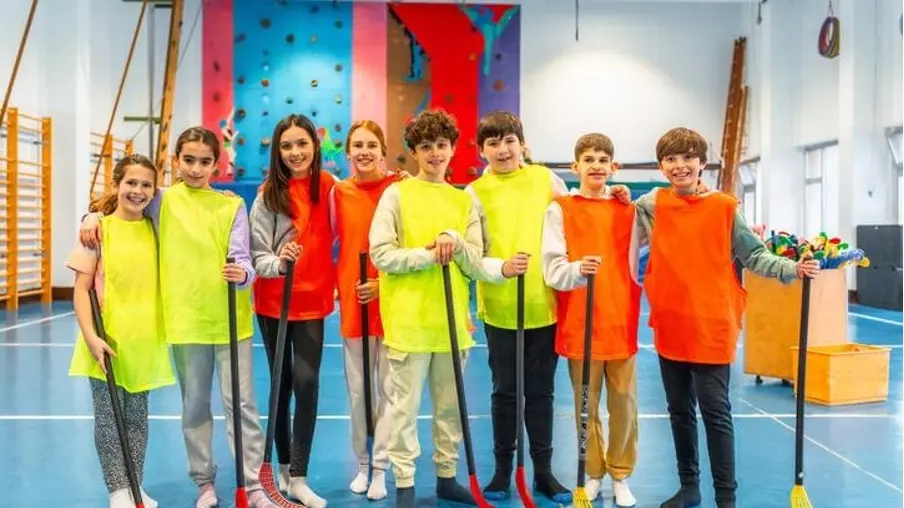
Team sports at ENSR help students develop social skills, communication skills, and leadership. Through both team-based activities and individual challenges, students learn cooperation, accountability, and personal growth. Sport becomes a structured space where confidence and relationships develop naturally within a supportive boarding community.
Some lessons are best learned through a team sports experience. A pass made at the right moment. A teammate offering encouragement after a missed shot. A quiet decision to keep going during a difficult individual challenge. These moments shape how students relate to others and to themselves.
Sport provides a natural setting for these experiences. Through structured team sports and individual athletic pursuits, students practise communication, cooperation, and responsibility in real time. What begins on the field or court often carries into the classroom and daily life. This blog post highlights how ENSR students build valuable social skills through sports.
How Do Team Sports Improve Communication Skills?
Team sports require constant interaction. Players must listen, respond, and adapt quickly. Clear communication becomes essential for success.
During training and matches, students practise:
- Giving and receiving constructive feedback
- Using concise, effective instructions
- Reading non-verbal cues from teammates
- Resolving disagreements respectfully
These communication skills develop naturally because they serve an immediate purpose. A misunderstanding can cost a point. A clear call can prevent confusion. Over time, students grow more confident in expressing themselves and more attentive when listening to others.
Structured sport also reinforces broader student development, encouraging resilience and focus that extend beyond athletics.
Why Are Social Skills Important for Teenagers?
Adolescence is a critical period for developing social awareness. It’s at this stage that teenagers consciously learn how to navigate friendships, manage conflict, and understand different perspectives.
Team sports accelerate this process. In team sports, cooperation is necessary rather than optional. Students learn that:
- Success depends on collective effort
- Respect strengthens performance
- Accountability builds trust
Within a boarding setting, these lessons deepen. The boarding community at ENSR offers daily opportunities to practise empathy, patience, and collaboration. Living and training alongside peers strengthens bonds and creates a shared sense of responsibility.
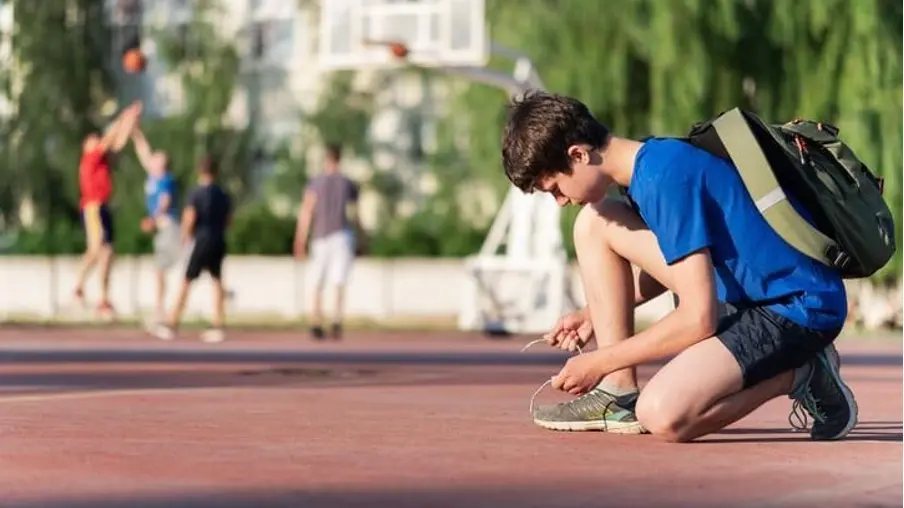
Can Individual Sports Support Personal Growth?
While team sports build cooperation, individual challenges cultivate self-reliance. Activities such as athletics, swimming, or solo skill training encourage students to set personal goals and measure progress independently.
Individual sport supports:
- Self-discipline
- Internal motivation
- Emotional regulation under pressure
- Reflection and self-assessment
When a student prepares for a race or refines a technical movement, improvement depends largely on personal commitment. This strengthens confidence-building and accountability. Personal growth in sport often mirrors growth in academics. Students learn that progress is gradual and that persistence matters.
How Does Sport Build Leadership?
Leadership in sport does not always mean wearing a captain’s armband. It often appears in quieter forms.
Students develop leadership when they:
- Encourage teammates after setbacks
- Model discipline during training
- Take initiative during group tasks
- Accept responsibility for mistakes
Team sports create natural opportunities for leadership because outcomes depend on cooperation. Individual sports reinforce leadership through self-management and example-setting.
Over time, students become more comfortable guiding others and making decisions under pressure. These experiences contribute directly to long-term social and professional competence.
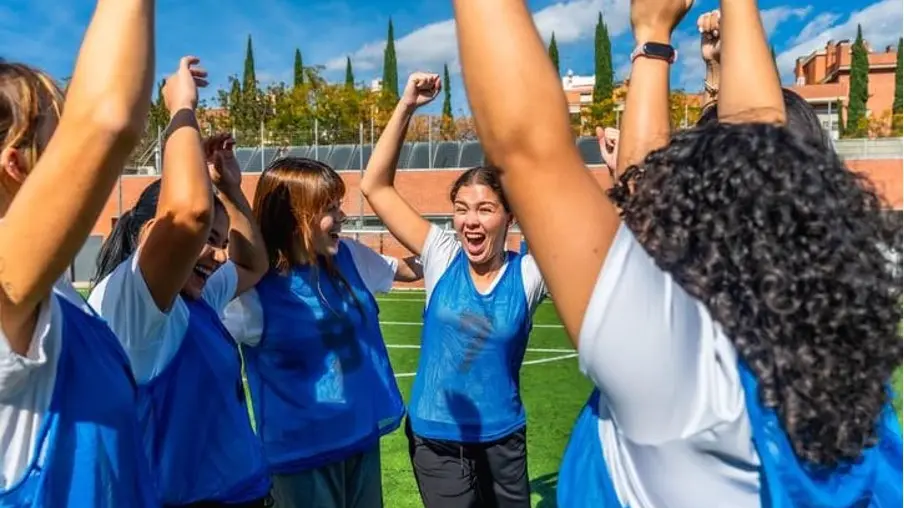
How Does Sport Strengthen Our Boarding Community?
Shared physical challenges create shared memories. Whether through competitive matches or collaborative training sessions, sport brings students together.
Purpose-built facilities, including a sports hall, climbing wall, tennis court, and outdoor sports grounds, support structured activities and regular participation. This consistency helps students build disciplined routines and reinforces the value of sustained effort.
In a boarding environment, sport often extends beyond scheduled practice. Informal games, recreational activities, and shared goals create a culture where teamwork skills and communication skills are continually reinforced. The result is not simply athletic improvement. It is stronger relationships, deeper trust, and a more connected school community.
Ready to explore how sport, leadership, and community shape student development at ENSR private school?
Contact ENSR today.
Key Takeaways
- Team sports strengthen communication skills and cooperation.
- Social skills develop naturally through shared challenges.
- Individual sports encourage personal growth and accountability.
- Leadership emerges through responsibility and example.
- A supportive boarding community enhances these outcomes.
FAQ
How do team sports improve communication skills?
Team sports require constant interaction. Students practise giving instructions, listening actively, resolving conflict, and responding quickly under pressure.
Can individual sports support personal growth?
Yes. Individual sports build self-discipline, independence, resilience, and internal motivation.
How does sport build leadership?
Sport builds leadership by encouraging responsibility, initiative, accountability, and the ability to guide peers during challenges.
Why are social skills important for teenagers?
Social skills help teenagers build healthy relationships, manage conflict, collaborate effectively, and prepare for academic and professional environments.